One Size Fits Many: How Wellhub Turned Personalized Wellbeing Into a Retention Strategy: CPO Lívia de Bastos Martini (LIVE @ Transform 2026)
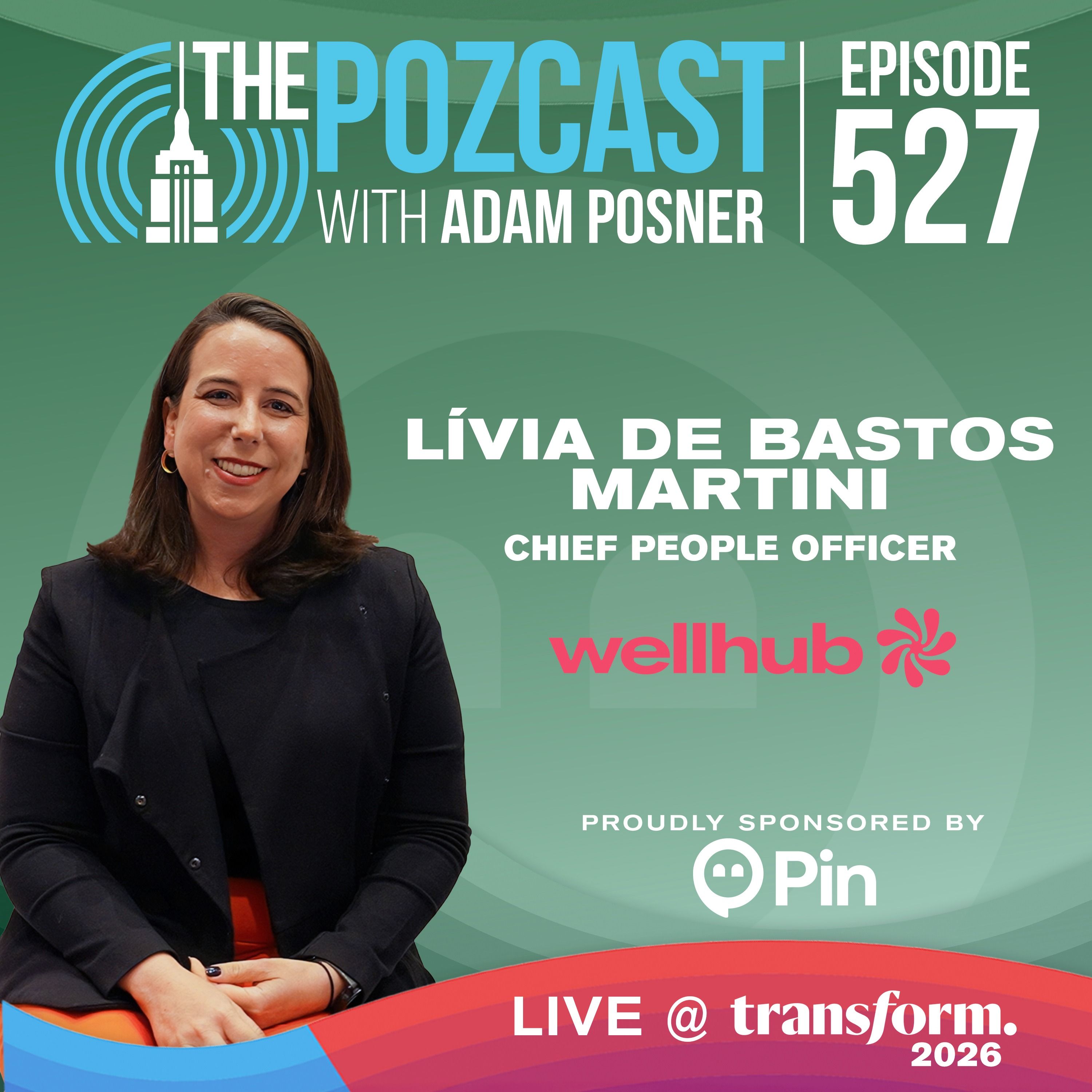
WATCH: https://youtu.be/owtKqQiHiFY
This episode was born from pure conference serendipity — a mutual connection made an intro, caffeine was needed, and Lívia de Bastos Martini, Chief People Officer at Wellhub, ended up on the podcast for one of the most data-rich and practical conversations in the series. Wellhub is a 16-year-old global employee wellbeing platform serving companies with 10 to 100,000+ employees, connecting users to more than 100,000 wellness partners across fitness, nutrition, sleep, mental health, and physical health through a single personalized app experience.
The conversation opens with one of the most striking stats in the series: 86% of employees say they would consider switching jobs if their company did not offer wellbeing benefits — a number that continues to rise year over year. That stat alone reframes wellness from a nice-to-have perk to a core retention and talent-attraction strategy. Lívia backs it up with adoption data: traditional gym-only benefits average around 5% usage, while Wellhub’s platform sees 40–50% engagement. When well-being is easy, personalized, and embedded into company culture, participation changes dramatically.
The GLP-1 discussion is one of the sharpest in the series. Lívia makes the case that weight-loss medication without sustainable lifestyle change is incomplete, pointing to risks around muscle and bone density loss, rebound effects after stopping medication, and why Wellhub focuses on long-term behavior change — not just prescriptions. She also shares how AI is shaping the business, from AI coaching and personalized recommendations to AI-assisted sales and internal experimentation, where teams were encouraged to test freely, learn through the chaos, and emerge with shared best practices.
Connect: https://www.linkedin.com/in/liviamartini/
Learn More: http://wellhub.com

 Apple Podcasts
 Spotify
 Castro
 RSS Feed
 These episodes of #thePOZcast, live from Transform 2026 in Las Vegas, are proudly brought to you by our friends at PIN. AI recruiting tools that automate candidate sourcing, screening, and scheduling across 850M+ profiles. Built for recruiters, agencies, and hiring teams.
Learn more and check out a demo: https://www.pin.com/book-a-demo?via=adam-posner
Thanks for listening, and please follow us on Insta @NHPTalent and www.youtube.com/thePOZcast
For all episodes, please check out www.thePOZcast.com
CHAPTERS:
00:00 – Serendipity: How This Episode Happened A mutual friend, a caffeine need, and a chance introduction — Adam welcomes Lívia Martini, CPO of Wellhub, in what turned into one of the most data-packed conversations in the series.
02:00 – Meet Wellhub: 16 Years, 100,000+ Partners A global wellbeing platform serving companies of all sizes across gym studios, personal trainers, nutrition, sleep, mental health, and physical health — one platform, fully personalized.
04:30 – The Adoption Problem: Why Great Benefits Get Ignored The biggest challenge in corporate wellness isn't the product — it's education and adoption. People leaders have to be genuinely bought in, and the first step has to be frictionless.
07:00 – How a Wellness Movement Starts Inside a Company What happens when adoption takes off: colleagues watching each other change, bad knees getting better, muscle being built. The movement becomes self-sustaining — but it has to start somewhere.
09:30 – 5% vs. 50%: The Adoption Gap That Defines the Market The industry average for gym-only wellness benefits is 5% adoption. Wellhub's platform sits at 40-50%. Breadth, personalization, easy onboarding, and people team support drive the gap.
12:00 – The 86% Number That Changes Everything 86% of employees say they would consider switching jobs if their company didn't offer wellbeing benefits — and that number is growing year over year.
15:00 – Wellness as a Healthcare Cost Strategy Healthier employees mean lower medical costs. Wellbeing benefits aren't a morale spend — they're a healthcare offset. The direct business case, made clearly.
17:30 – GLP-1s: Medication Is Only Half the Solution Why weight-loss medication without lifestyle change is unsustainable: muscle mass loss, bone density loss, the rebound effect. GLP-1s need to be paired with nutrition, exercise, and sleep to hold.
21:30 – Sleep Is a Weight Management Tool Most People Ignore Lívia's personal data: two to three nights of poor sleep raises her weight regardless of diet or exercise. The interconnected nature of sleep, weight, and wellness — and why all of it needs to be addressed together.
24:00 – AI at Wellhub: Coach, Recommendations & Selling at Scale An AI wellness coach, personalized content recommendations, and AI tools on the sales side to explain the product at scale across companies of all sizes and geographies.
26:30 – Letting Teams Experiment: The Chaos and the Clarity Wellhub gave its people teams license to experiment freely with AI — lived through months of productive chaos — and is now in the best practices sharing phase where one solution is solving 15 problems.
29:00 – Transform 2026: Connection Over Content Lívia's first Transform — and her verdict: the value is in the unscheduled moments, the hallway conversations, the person who sits down mid-introduction and becomes the best exchange of the conference.
31:30 – Where to Find Wellhub wellhub.com for product, partnerships, and getting in touch — and a reflection on what makes conferences like Transform genuinely worth attending.
TAKEAWAYS:
1. 86% of Employees Would Consider Switching Jobs Over Wellbeing
Benefits
This is the most striking retention data point in the series. Wellhub's annual survey shows 86% of employees would consider or actively switch jobs if their company didn't offer wellbeing benefits — and the number is growing. For HR leaders and total rewards strategists, this moves wellness from ancillary to foundational in any competitive benefits package.
2. Industry Adoption Averages 5%. Wellhub's Is 40-50%.
The gap between a generic gym benefit and a well-designed wellness platform isn't marginal — it's a 10x difference in adoption. The combination of breadth, personalization, easy enrollment, and people team support is what drives utilization from a footnote to a movement. Companies
measuring benefits ROI by the number of options offered rather than the percentage of employees actually using them are measuring the wrong thing.
3. Wellness Benefits Drive Healthcare Cost Reduction
The business case for wellness investment isn't just retention and morale — it's medical spend. Healthier employees drive lower insurance claims, fewer sick days, and more sustainable long- term healthcare costs. Lívia makes this connection directly: wellbeing benefits are a healthcare offset strategy, not a culture spend.
4. People Leaders Have to Be Genuinely Bought In — Not Just Compliant
Adoption starts at the top. When HR and people leaders are personally using and visibly championing a wellness benefit — not just administering it — that signal travels through the organization. Lip service produces 5% adoption. Genuine conviction produces 50%.
5. A Wellness Movement Is Self-Sustaining Once It Starts
The most powerful driver of wellbeing benefit adoption isn't communication or incentives — it's the moment employees start watching each other change. A colleague's bad knee gets better. Someone builds muscle. Someone sleeps through the night for the first time in months. Those visible transformations create organic pull that no marketing campaign can replicate.
6. GLP-1 Medication Without Lifestyle Change Is a Dead End
Lívia's GLP-1 take is the clearest and most medically grounded in the series: the medication works by burning energy indiscriminately — it doesn't distinguish between fat, muscle mass, and bone density. Stop taking it without having built sustainable habits, and the weight returns. The medication is a tool, not a solution. Nutrition, exercise, and sleep have to accompany it for the program to hold.
7. Sleep Is a Weight and Wellness Variable Most Companies Aren't Tracking
Lívia's personal data: two to three nights of poor sleep raises her weight regardless of diet or exercise. This connection — between sleep quality and metabolic health — is well-documented but largely absent from most corporate wellness conversations. Any wellbeing platform that doesn't address sleep is leaving a critical variable unaddressed.
8. Wellbeing Personalization Is the Future of Benefits Design
The choose-your-own-journey model — where employees select their own wellness path from a broad menu of options, and can change it as their life changes — is the direction all benefits design is heading. One-size-fits-all packages are already failing on adoption metrics. The
companies that move to personalized, flexible, employee-directed wellbeing will see the utilization numbers that justify the investment.
9. Give Your Teams License to Experiment With AI — Then Share What Works
Wellhub's internal AI journey: give people teams permission to experiment freely, accept that it will be chaotic for a few months, and then create a structured best practices sharing process that surfaces the solutions that are actually working. The companies that are winning with AI internally right now aren't the ones with the most sophisticated strategy — they're the ones who started experimenting earliest and created feedback loops fastest.
10. The Best Conference Connections Are Unscheduled
Lívia's first Transform validated something this series has heard repeatedly: the most valuable moments at conferences like this aren't the sessions — they're the conversations that happen between them. The person who sits down mid-introduction, the hallway exchange that turns into a 30-minute deep dive on AI adoption and change management. Conferences that create more space for that serendipity deliver more value than those packed with content.